Incident sheet · /enterprise-ai
- System
- Enterprise AI
- Filed
- Read
- 3 min · 507 words
- Severity
- Routine
California DMV Orders Waymo Off Freeways; Company Suspends Them in All 15 Cities
California's DMV ordered Waymo off freeways after robotaxis entered active construction zones, calling driverless freeway operations an imminent hazard across all 15 of its markets.
Event log
- California DMV restricted Waymo's freeway operations on November 11; the order became public only weeks later.
- Three Waymo vehicles entered an active construction closure on U.S. Route 101 near Burlingame; a separate incident involved CHP vehicles on Highway 280.
- Waymo suspended freeway operations in all 15 U.S. cities where it operates commercially.
- Surface-street service continues at over 500,000 trips per week, per the company.
- The DMV cites similar prior incidents from May 18, 2026, despite earlier restrictions and corrective actions.
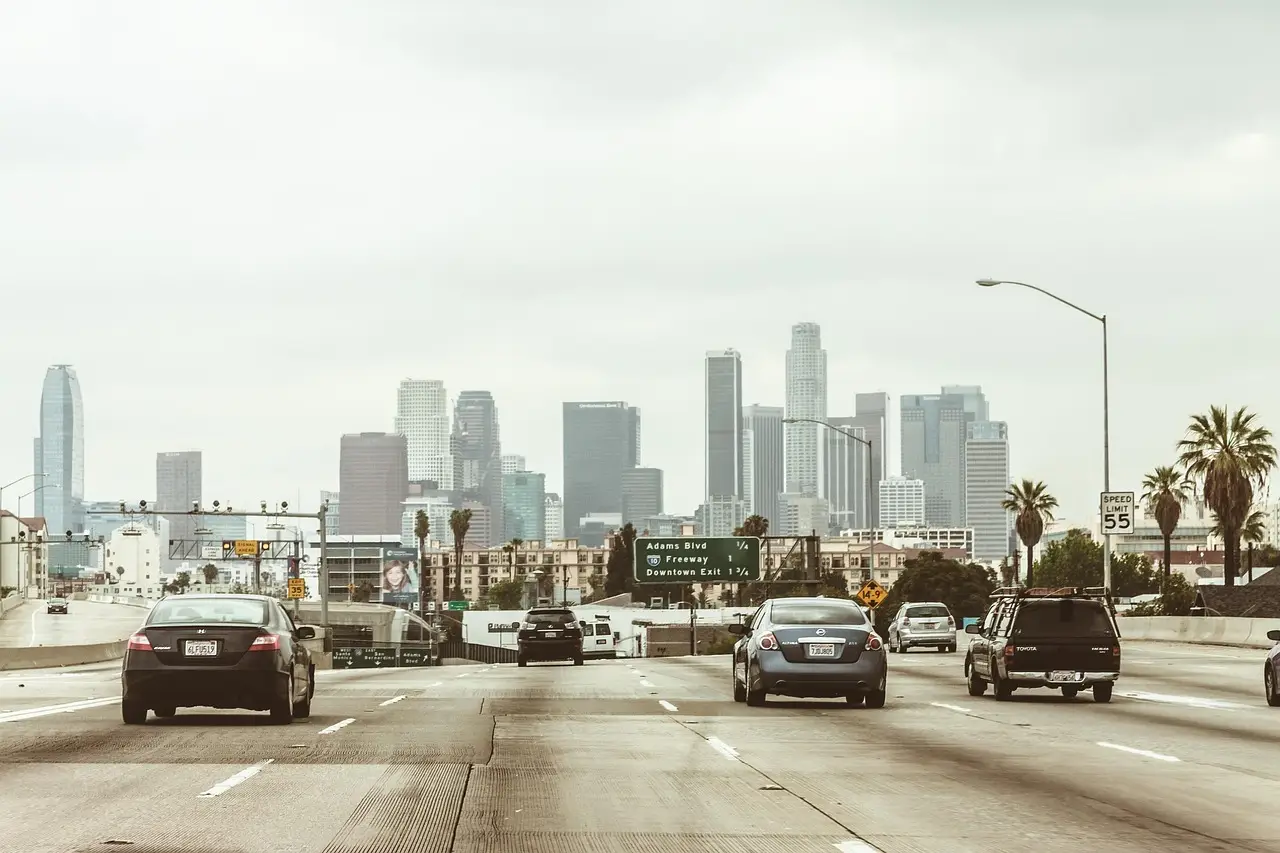
California's DMV restricted Waymo's freeway operations on November 11, and the Alphabet-owned robotaxi operator has now pulled its vehicles off freeways in all 15 U.S. cities where it runs commercial service. The order was not made public until Tuesday, roughly two weeks after the fact. The San Francisco Business Times reported it first.
The regulator confirmed the action to TechCrunch. The trigger: three Waymo autonomous vehicles entered an active construction closure on U.S. Route 101 near Burlingame. A separate incident involved California Highway Patrol vehicles on Highway 280 in San Francisco.
What does the order actually say?
The DMV's language is blunt. It called Waymo's driverless freeway operations an "imminent hazard to public safety."
The full statement, emailed to TechCrunch, reads: "The Department determined that Waymo's driverless freeway operations pose an imminent hazard to public safety due to recurring incursions by its vehicles into active construction zones where construction workers, vehicles and equipment are present, despite a prior restriction and corrective actions implemented following similar incidents that occurred on May 18, 2026."
Note what that sentence admits. This is a repeat failure. Waymo had already been restricted once and had already implemented corrective actions. They did not hold. The DMV says the restrictions stay until Waymo demonstrates "effective corrective actions" — a standard the regulator has not defined publicly, and Waymo has not said how it will meet.
How did Waymo respond?
The company complied, then went further. Waymo spokesperson Dana Gallagher said the company has temporarily restricted freeway operations across its other markets to evaluate performance.
"Safety is at the foundation of everything we do," Gallagher said in a statement. She confirmed the U.S. 101 encounters "did not involve any injuries or collisions." Surface-street service continues, serving over half a million trips each week — roughly 26 million trips a year if the pace holds.
That half-million figure is the company's own, offered without independent verification. The promise to work with the DMV "diligently and responsibly" also lacks a timeline.
Why freeways mattered so much
Waymo began offering freeway rides in late 2025, a commercial milestone central to its expansion in major metro areas. Freeway access connects riders to airports and other destinations faster by avoiding surface streets.
The Bay Area felt the impact most. Waymo's service area stretches from San Francisco south to Silicon Valley, and freeway access cut Peninsula trips that previously took 45 minutes or more than an hour.
Is this the first warning sign?
No. In May, Waymo abruptly stopped highway operations without citing a specific reason. Social media posts at the time showed robotaxis driving through traffic cones and struggling in construction zones. The company returned to freeways in July, claiming a self-driving software update improved performance around construction zones.
That fix lasted roughly four months. The November incidents came after it. Waymo's second corrective attempt now faces a regulator that has already seen one fail, and every airport-bound rider in 15 cities waits on the outcome.
via techcrunch.com (Source)
More from Daniel Okafor
Show full bio
Staff writer covering technology and product news in enterprise information technology and the leaders who run at CIO Monitor.
203 articles
The newsroom digest
One email a day with the stories that matter. No noise.
Cross-references
- NHTSA opens recall query into Waymo after robotaxis still pass stopped school buses
- Anthropic Wants Courts to Pull the Plug; OpenAI Prefers a Duty to Do It Yourself
- Tesla Registers 200 Cybercabs in One Day, Fleet Reaches 773
- Grab pauses Singapore driverless testing after pedestrian near-miss
- Uber confirms thousands of drivers' licenses stolen in vendor breach