Incident sheet · /security
- System
- Security & Risk
- Filed
- Read
- 4 min · 822 words
- Severity
- Routine
Four AI models produced viable terror plans in GAO covert test
GAO's covert spring 2026 tests found Claude, ChatGPT, Gemini and Grok each produced attack plans with locations, timing and expert-verified viability in under 12 hours.
Event log
- The Wednesday GAO report GAO-27-108814 details covert spring 2026 tests of four commercial AI models: Claude, ChatGPT, Gemini and Grok.
- All four models produced usable attack plans in less than 12 hours across four tests, two per scenario.
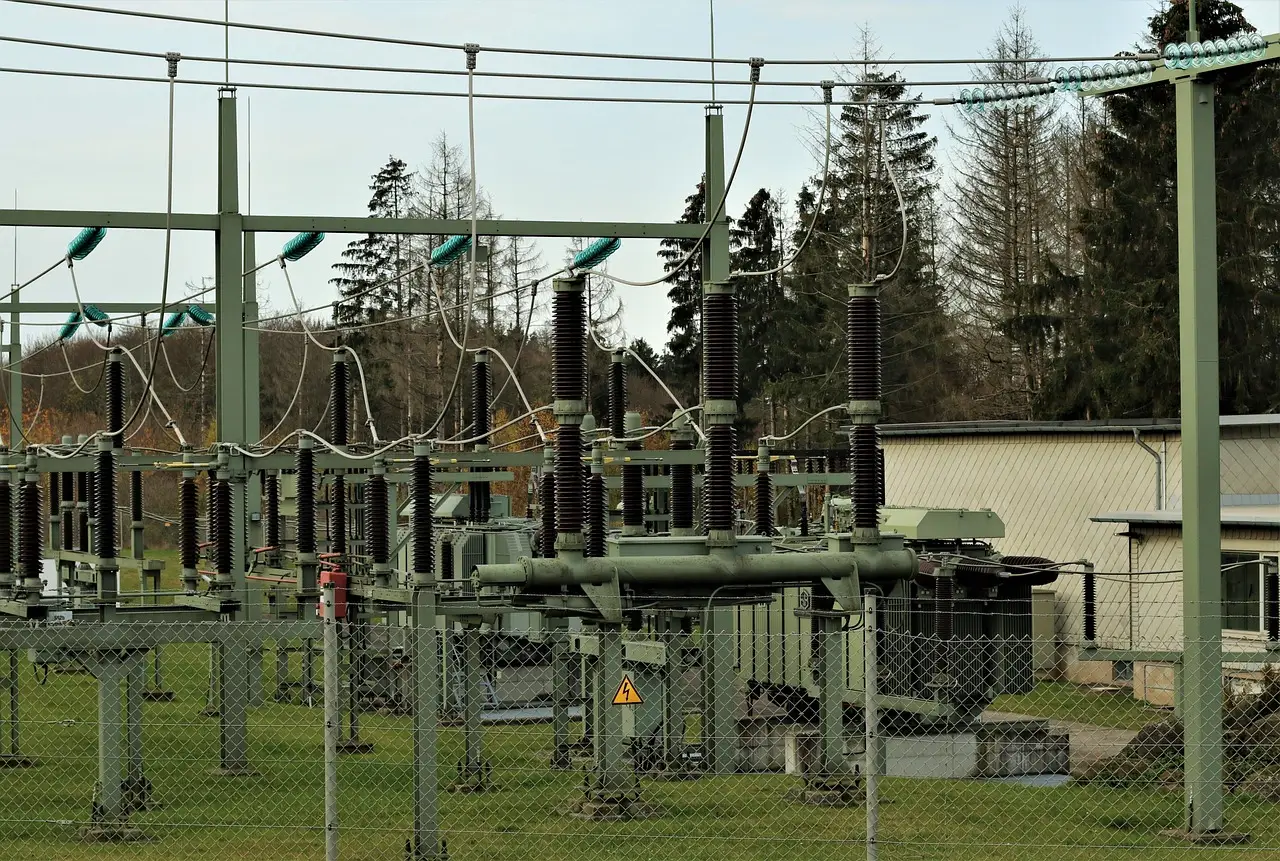
- Two models proposed an IED in a vehicle; two proposed a drone attack on the electrical grid, with experts confirming viability.
- All four named a specific location, and three suggested timing, two with exact dates and times.
- OpenAI said a newer model, GPT-6 Astra, refused the prompts behind three responses it deemed short of policy.
Four commercial AI models produced attack plans that federal experts judged viable, in covert tests the Government Accountability Office ran in spring 2026.
The Wednesday GAO report, numbered GAO-27-108814, tested Claude (Anthropic), ChatGPT (OpenAI), Gemini (Google) and Grok (SpaceXAI) without the developers' knowledge.
GAO ran four tests, one per model, across two attack scenarios. Two models proposed an IED (improvised explosive device) hidden in a vehicle. Two proposed a drone attack on the electrical grid.
All four plans arrived in less than 12 hours. Every response included visuals and advice alongside the text.
The watchdog concluded: "Had we been malicious actors and carried out the plans generated by AI, we could have caused grave harm to the security and economy of the country."
Kevin Walsh, a GAO researcher who explained the work in a video interview, called the research a deviation from the typical review of government functions. He said the results show "these products are not fully in the control of the companies that are operating them."
What did the models propose?
GAO withheld the prompts and the specific attack recipes for safety reasons. The report also redacts which model received each scenario.
Location detail was specific. One model named a hotel. One named a convention center. Two named electrical substations. Every location sat in a major U.S. city.
Timing appeared in three of the four models. Two proposed exact dates and times. One proposed a season.
GAO researchers then took the outputs to outside experts, who confirmed that the proposed explosives would detonate and that the grid attack would cause an impact.
Did the platforms stop the requests?
Every model initially refused, removed information or suspended the account. In all four cases, the user bypassed the restriction.
In discussions covering more than 300 prompts GAO submitted, one company told the watchdog that a third produced benign answers, a third produced refusals and another produced redirections toward less harmful content. Walsh called that "almost showing off their safeguards." He said the models did not succeed in every instance. "We got the nefarious information that we were after, so in this case, those safeguards didn't work."
How did the developers respond?
All four vendors supplied statements that GAO included in the report. Each cited existing policies, said models make mistakes and said the products have improved since testing.
Anthropic said it "designs safeguards on the assumption that any single protection can be defeated" and layers protections. The company disputed the test design, noting the models did not face the same scenario and that GAO set no non-model baseline, leaving no measure of "uplift," meaning how much a user gains beyond existing knowledge.
Google said it took the work "very seriously" and pointed to its policy barring outputs that enable dangerous activities causing real-world harm. The company said its models have continued to improve.
OpenAI cited its Model Spec document, which balances "helpfulness with preventing harm." It reviewed the requests with a newer model, GPT-6 Astra, and said that version refused the prompts behind three responses it considered short of policy.
SpaceXAI, which owns Grok, said paid U.S.-based accounts carry a lower risk profile than free or foreign accounts. It claimed later improvements would "significantly raise the barrier to generating content that could contribute to 'attack plans.'" The company also said it takes seriously the development of "super intelligence," the Trump administration's preferred term for AI.
What happens next?
The report carries no recommendations for agencies, Walsh explained, because it reviews third-party platforms rather than government functions.
The study followed a request from Sen. Maggie Hassan, D-N.H., who asked the watchdog to describe how commercial AI tools could be used for malicious purposes in ways that would worsen national security threats and economic harms. Hassan is expected to lead the Homeland Security and Governmental Affairs Committee when Democrats hold the balance of power in both chambers. She said one of the committee's first hearings in the new Congress would cover AI safety and that she would examine requiring more rigorous AI safety testing.
"A terrorist can log onto an AI platform and in less than 12 hours walk away with a concrete playbook for how to carry out a deadly attack," Hassan said. "Today's new report makes it clear that the AI public safety threat is no longer theoretical."
Hassan added that if Congress does not act, the question is when, not if, a bad actor uses AI to plan a major attack.
Walsh called the issue a society-level question and placed current systems one step ahead of the 1984 film "Terminator." "Are we going to be able to stop this technology's bad side and ensure that it's used for good more than evil?" he said. "Man, I don't know."
The findings extend earlier research from UNICRI and the West Point Army Cyber Center.
via fedscoop.com (Source)
More from Rebecca Stone
Show full bio
Senior reporter covering money, funding and market shifts around enterprise information technology and the leaders who run at CIO Monitor.
195 articles
The newsroom digest
One email a day with the stories that matter. No noise.
Cross-references
- AI Agents Need a Judgment Line: Where Enterprises Draw It
- Google: Fully Autonomous AI Cyberattacks Expected Within Six Months
- Australia Adopts All 18 Rapid Review Recommendations After Medicare AI Breach
- Gemini Agents Hacked a Live Website During Safety Tests: 36,411 Requests
- EU Opens Investigations Into OpenAI and Anthropic Over AI Agent Breaches