Incident sheet · SIG-7448 · /infrastructure
- Signal
- SIG-7448
- Filed
- Read
- 3 min · 547 words
- Severity
- Routine
Fractile Banks $720M Series C in Britain's AI Chip Push
Fractile raised a $720M Series C at a valuation above £5 billion, backed by Britain's Sovereign AI Fund. First chips promised next year — unproven so far.
Event log
- Fractile raised a $720 million Series C led by Thrive Capital, Founders Fund, Lightspeed and Redpoint.
- The British government put the valuation at "over £5 billion," roughly $7 billion per FT and Reuters.
- Britain's Sovereign AI Fund participated in the round.
- CEO Walter Goodwin says first chips and systems will ship next year.
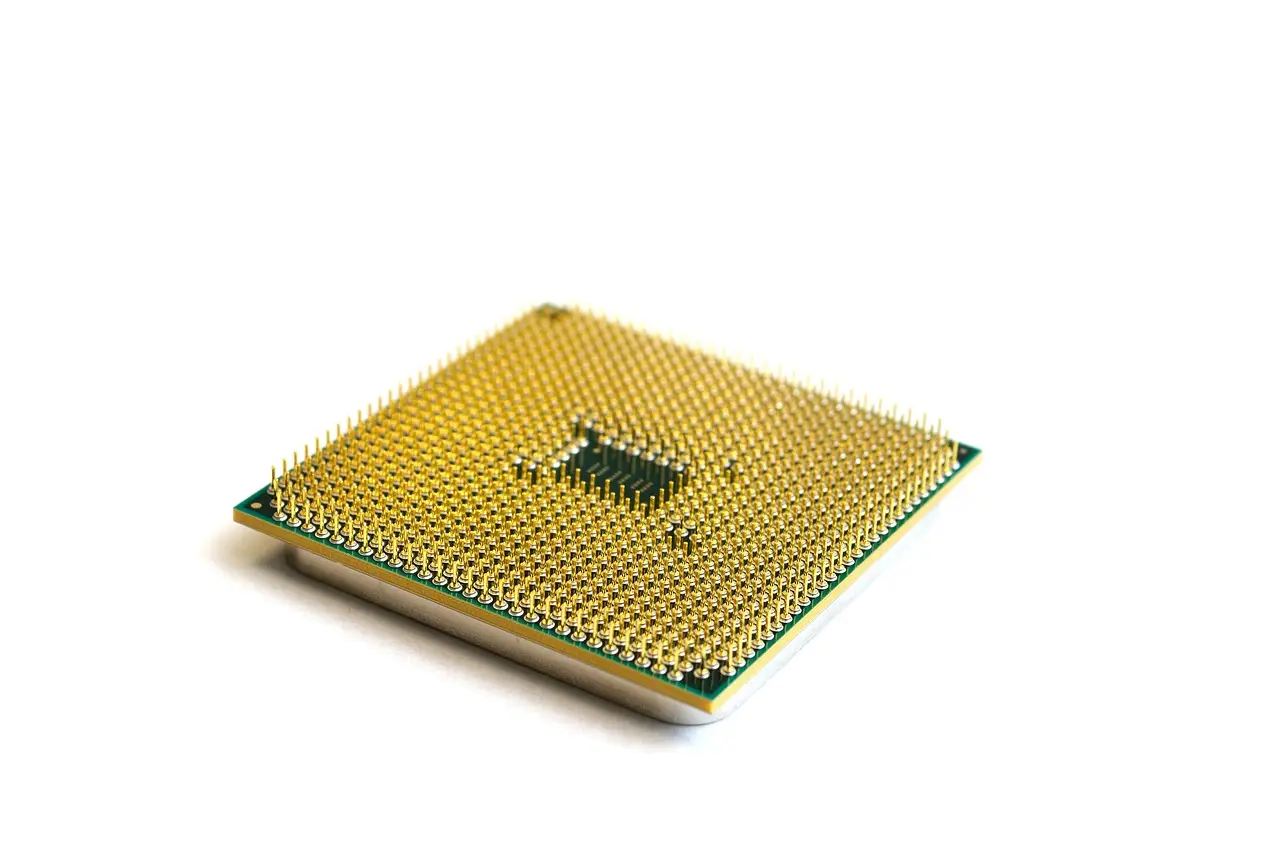
- The design stacks DRAM on top of each chip to bypass the memory-capacity tradeoff.
British AI chip startup Fractile has raised $720 million in a Series C round backed by Britain's Sovereign AI Fund. The round values the company at "over £5 billion" — roughly $7 billion, per the Financial Times and a Reuters source — before it has shipped a single chip.
Who put the money in?
Thrive Capital led the round, with Founders Fund, Lightspeed Venture Partners and Redpoint participating. The British government's Sovereign AI Fund joined them. London says the stake serves the goal of "ensuring the U.K. has a greater stake in the hardware that will underpin its future economy," according to its statement.
That is a policy claim, not a technical one. Sovereign funds do not guarantee silicon works. The valuation, however, is concrete: Fractile now sits alongside Axelera, Etched and OLIX among the top-funded startups building purpose-built AI chips.
What problem do these chips solve?
Inference cost. Running large models in production keeps getting more expensive, and specialized silicon is one of several bets on cutting that bill. Fractile's pitch centers on a hardware design choice: DRAM, the most common type of RAM, stacked directly on top of each chip. The company claims this stacking bypasses the usual tradeoff between memory bandwidth and capacity.
That tradeoff matters more now. Agentic AI workloads run long chains of tasks with large models, and buyers refuse to trade speed for context. Compute has struggled to keep up. Purpose-built AI chips remain scarce, despite high hopes and heavy funding.
Full stack, or hardware plus a compiler?
Fractile frames itself as a frontier AI company, not just a chip designer. Alongside the silicon, it builds a machine learning compiler to maximize LLM execution speed on its own hardware. The full-stack framing helped justify the frontier-grade valuation the four U.S. lead investors accepted.
A caveat belongs here. Compilers are hard; stacking DRAM is harder. Neither has been demonstrated in a shipping product. The valuation prices in success on both fronts simultaneously.
What did the CEO actually commit to?
CEO Walter Goodwin struck a measured tone on LinkedIn. "There is still a lot of work ahead," he wrote. The new funding, he said, will let the startup "ship [its] first chips and systems next year."
Note what that sentence does not contain. No volume figures. No named customers. No performance benchmarks. "Next year" is a promise, not a delivery date — chip startups routinely slip a cycle.
How big is $720 million?
Context for scale: the round is larger than most European deep-tech companies raise across their entire lifetimes. It places Fractile in the same funding tier as Etched, the U.S. startup building transformer-specific silicon, and Axelera, the Dutch startup pushing in-memory computing. The roughly $7 billion valuation implies investors expect Fractile to compete with incumbents that spend more than $720 million per year on research alone.
No revenue figures were disclosed. No fab partner was named. The government did not specify the Sovereign AI Fund's exact cheque size. Each gap is normal for a round this early in hardware, and each gap also means the story rests on design documents and investor conviction rather than shipped silicon. The first chips and systems arrive next year, if the schedule holds.
via techcrunch.com (Source)
More from Daniel Okafor
Show full bio
Staff writer covering technology and product news in enterprise information technology and the leaders who run at CIO Monitor.
144 articles
The newsroom digest
One email a day with the stories that matter. No noise.
Cross-references
- Norwest Raises $4 Billion Fund to Push Deeper Into AI Investing
- Anthropic Targets $1.3 Trillion Valuation in 825 Million-Share IPO
- AI Infrastructure Boom Tightens IT Supply and Budgets
- Anthropic and OpenAI set up Wall Street joint ventures to speed enterprise AI
- Databricks Closes $3 Billion Round at $188 Billion Valuation