Incident sheet · /infrastructure
- System
- Infrastructure & Cloud
- Filed
- Read
- 3 min · 662 words
- Severity
- Routine
Memory Price Spike Pushes IT Teams to Harvest Parts from Retired Devices
AI-driven memory shortages are pushing enterprises to harvest memory and graphics cards from retiring devices, turning ITAD operations into a procurement hedge.
Event log
- Enterprises are shifting from 3-to-4-year refresh cycles to preservation mode as AI-driven memory shortages raise new device prices.
- Forecast formula: eligible pool × return rate × yield; the worked example yields 60 usable devices from 100 due back.
- Cost avoided = harvested parts installed × price of the same part new; 20 donor devices equal 20 memory purchases avoided.
- Device management tools such as Intune and Jamf flag devices not checked in for 30 to 60 days for the recovery pool.
- MCPC reports reclaimed devices at original purchase price and says remarketing credits cover service costs for some clients.
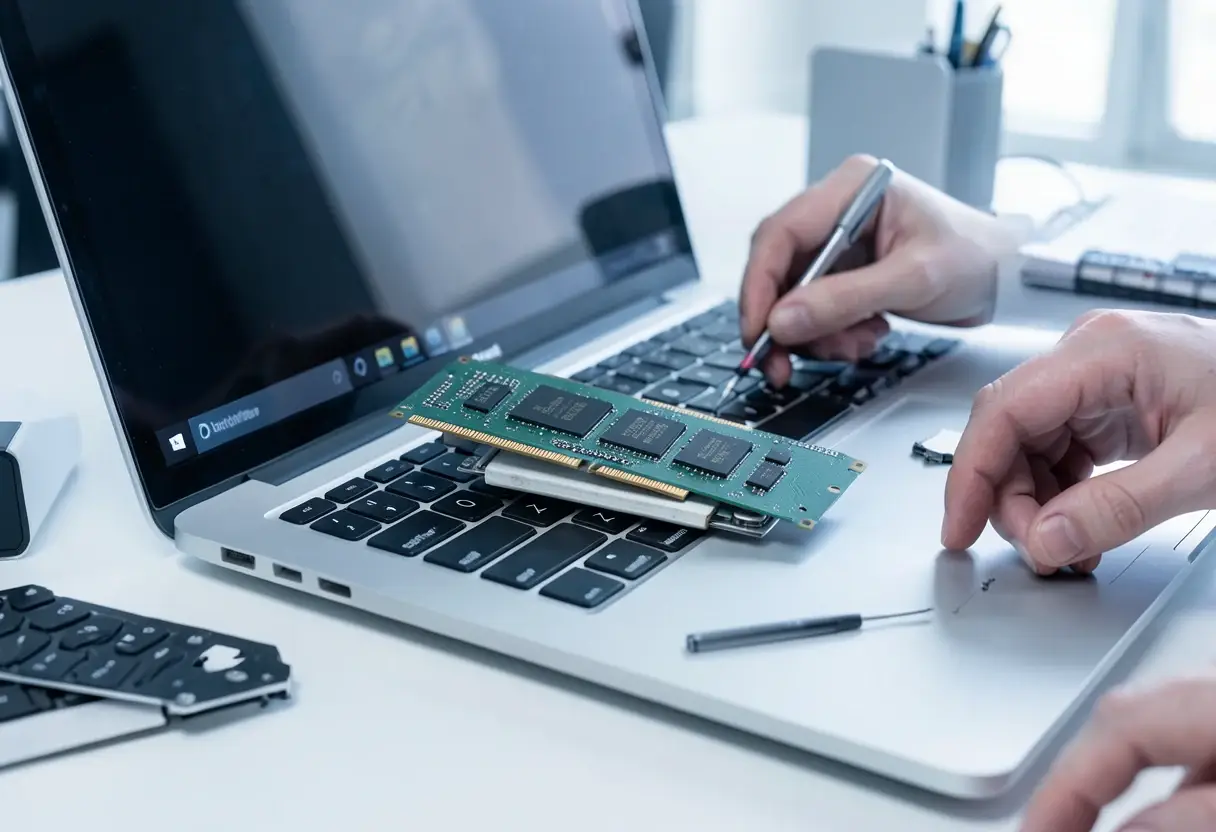
AI-driven memory shortages have pushed up new device prices and forced enterprises to recalculate the repair-versus-replace threshold. Many IT and procurement teams have abandoned standard 3-to-4-year refresh cycles in favor of preservation mode: holding devices longer and stretching the cycle. A second trend is gaining ground — internal component harvesting, where retiring or broken laptops are treated as sub-component mines supplying memory and graphics cards to devices still in service.
What makes harvesting work?
Recovered devices are the supply. The first metric is the recovery rate, measured through three numbers:
- Eligible pool. Every device due back in a window, triggered by four events: a scheduled refresh or lease end, an employee departure, a role change with a different device class, or a break/fix swap. Asset records, HR lists and service desk tickets already track these events.
- Return rate. Devices received divided by the eligible pool. If 100 devices were due and 80 were scanned in, the rate is 80%. A device counts only once scanned, not when the return label prints.
- Yield. Usable devices divided by devices received. If 60 of the 80 can be redeployed or harvested, yield is 75%.
The three numbers produce the forecast: eligible pool × return rate × yield. In the example, 100 × 80% × 75% equals 60 usable devices. Devices in transit can then be treated as inventory, and a request to buy memory at the new price can wait until they are sorted. Teams should also track days to return (dwell time) and leakage rate, split between devices still outstanding and devices written off. Device management tools such as Intune or Jamf can flag devices that have not checked in for 30 to 60 days.
Which devices give parts, and which keep going?
Every returned device lands in one of three outcomes: back to a user, harvested for parts, or out of the organization. Two checks in order decide it. First, does the device meet the redeployment standard? That standard typically sets four rules: maximum age in processor generations behind current, a memory minimum such as 16 GB, condition, and repair cost below the device's value. Second, does the device hold what in-service devices need? A device with 8 GB will not go back to a user, but its memory can go into one that will. One healthcare client's radiology workstations fit the case: too old for a new user, with working memory and graphics cards inside.
The part number reveals the configuration before the device is opened, and the erasure tool produces a triage report listing each component and whether it works. A device failing both checks exits — sold or recycled. A disposal vendor earns when a device sells, so its incentive favors selling whole over pulling parts. The harvest-versus-sell decision needs three numbers side by side: value sold whole, value recycled, and savings from harvested parts against new purchases.
How are savings counted?
Harvested parts are pulled, tested beyond the triage report, and stored until matched to in-service devices. Cost avoided equals harvested parts installed multiplied by the price of the same part new, with reclaimed devices added at original purchase price. If 20 of the 60 usable devices were donors, that is 20 memory purchases at the new price that never happened. The savings appear only if reclaimed stock is used first — a new request should go to the shelf before it goes to a purchase order.
MCPC runs this process end to end inside its IT asset disposition (ITAD) operation, the processing of devices leaving an organization. Each client has a routing guide setting the generation limit, memory minimum, condition standard and repair threshold. Redeployed devices ship as complete kits with matched power supplies, cables and webcams. For some clients the program pays for itself: remarketing credits cover the cost of services. One client called it the most effective procurement hedge in their program, and it was built rather than bought.
via cio.com/feed/ (Source)
More from Rebecca Stone
Show full bio
Senior reporter covering money, funding and market shifts around enterprise information technology and the leaders who run at CIO Monitor.
199 articles
The newsroom digest
One email a day with the stories that matter. No noise.
Cross-references
- 69% of Apple IT Teams Can't Roll Back AI Errors Within an Hour
- AI Infrastructure Boom Tightens IT Supply and Budgets
- 66% of Enterprises Move or Plan to Move Workloads Off Public Cloud
- PC Prices to Stay Elevated Through 2027 as Q3 Shipments Collapse 20%
- Tennant ERP Rollout Hits $30M Sales Drag, Draws Investor Scrutiny