Incident sheet · SIG-7222 · /infrastructure
- Signal
- SIG-7222
- Filed
- Read
- 4 min · 768 words
- Severity
- Routine
Startup Drogue Raises $20M to Power Floating Data Centers With Ocean Heat
Six-month-old Drogue has raised $20M to build floating data centers powered by ocean thermal energy, with a multi-megawatt prototype ship slated for early 2028.
Event log
- Drogue raised $20 million within six months of founding, from investors including Toyota Ventures and XYZ Venture Capital.
- A multi-megawatt prototype on an oceangoing ship is scheduled for early 2028; each vessel would serve about a decade at sea.
- The system uses OTEC, drawing warm surface water and cold water from 1,000 meters deep to drive an ammonia turbine.
- Oceans absorb an extra 5.8 million TWh of heat yearly versus 180,000 TWh of total human energy use.
- The American Bureau of Shipping has granted Drogue preliminary 'approval in principle'.
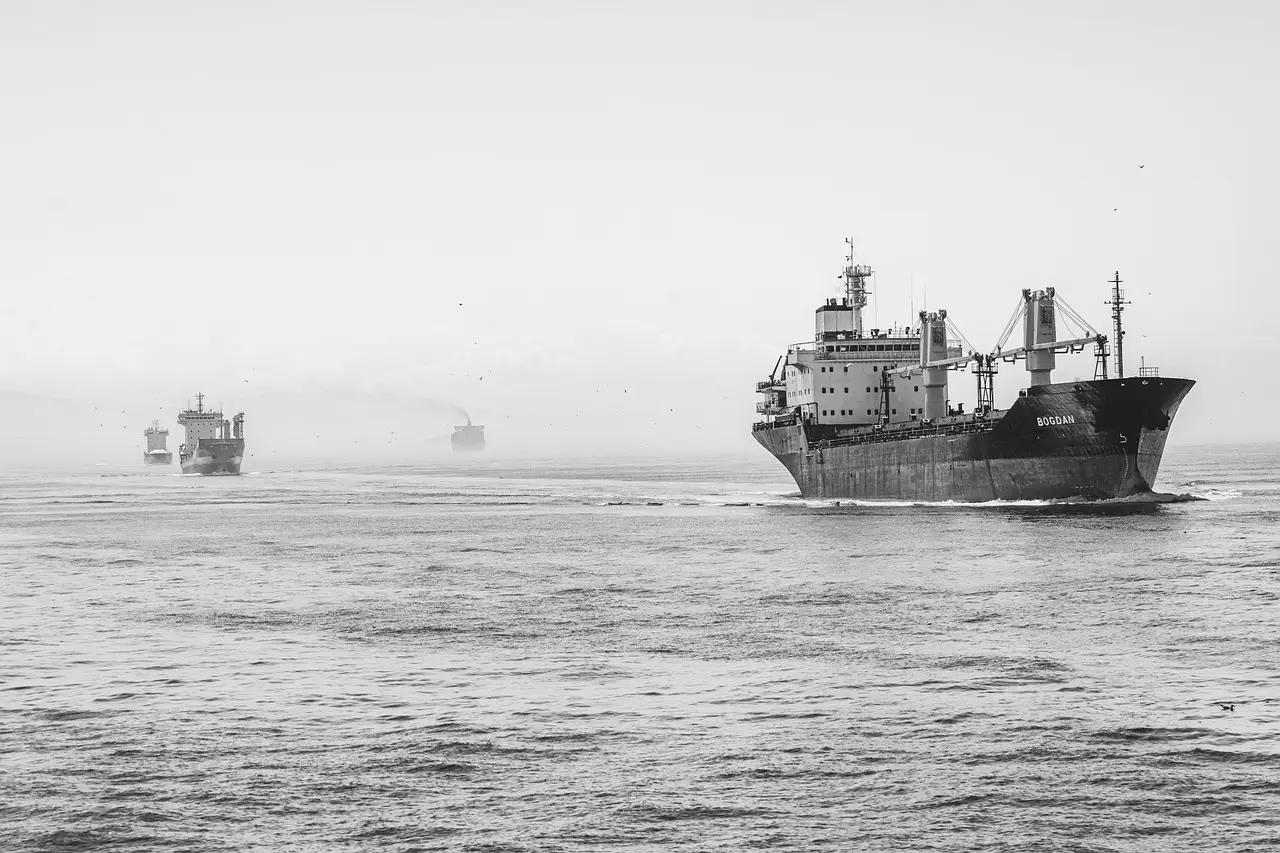
A six-month-old Washington, D.C. startup called Drogue has raised $20 million to do something the data center industry has mostly only sketched on whiteboards: power server fleets at sea using nothing but the temperature difference between warm surface water and the cold ocean deep.
The round, disclosed exclusively to TechCrunch, includes XYZ Venture Capital, Toyota Ventures, Tamarack Global, Dream, FDVC, Garuda Ventures, Flexcap, Boost VC and Slow Ventures, among others. The company has already designed a multi-megawatt prototype that will ride on a conventional oceangoing ship and head out to sea in early 2028. Co-founder and CEO Sam Sipe says the first unit should be "bobbing around the ocean, crunching bits" in less than two years.
Why the ocean, and why now?
Sipe's argument is a scheduling problem more than an engineering one. "The data center industry is a real estate game, and so they're playing on 8- to 10-year timelines, including interoperability with utilities and [independent system operators]," he said — the bodies that manage regional power grids. "AI demand has increased 10x in just the last three years. It's completely incompatible."
Put plainly: compute demand is compounding on a three-year clock while land-based capacity is locked to a decade-long cycle of land, interconnection and grid approvals. Drogue wants to cut the queue entirely.
The scale of the resource is, frankly, absurd. As the planet warms, the oceans absorb an additional 5.8 million terawatt-hours of energy every year. All of human civilization consumes roughly 180,000 terawatt-hours annually. The ocean takes on more than 30 times what humanity uses, every single year, without anyone asking it to.
How the system actually works
Drogue's technology is a heat pump run in reverse. A heat pump uses electricity to move heat; Drogue's system uses a temperature difference to generate electricity. The approach is called ocean thermal energy conversion, or OTEC, and it dates to the 1950s. The physics underpinning it is simple: sun-warmed surface water versus deep water averaging about 39°F (4°C).
The loop works like this:
- Warm surface water is drawn in to cool the onboard data center.
- The now-warmer water boils ammonia, which turns to gas at -28°F.
- The ammonia gas spins a turbine to produce electricity.
- A condenser turns the gas back to liquid, cooled by water pumped up from 1,000 meters deep.
- The warmed water returns to that depth, where it dissipates, and the ammonia restarts the sealed cycle.
"There's basically no amount of heat we can pull out of that that will collapse that temperature differential," Sipe said.
The idea was tested in the 1980s and shelved. Sipe tracked down veterans of those early efforts and interviewed them. "Everyone was like, dude, this stuff works. It's just a matter of being able to raise enough capital to build something big enough, because there's a sweet spot," he recalled. What's changed since, per Sipe: manufacturing techniques around the pipe and heat exchangers.
Why data centers are the right customer at sea
Sending generated power to shore would need long, expensive cables. Manufacturing at sea would need expensive shipping of materials in and goods out. Servers, by contrast, are compact — and shipping their output as data is remarkably cheap. Each vessel would stay at sea for roughly a decade before replacement. Later generations will sit on floating structures resembling offshore oil platforms rather than conventional ships.
Drogue isn't starting from zero on safety sign-off, either. The American Bureau of Shipping — the body that sets and checks ship safety standards — has granted the company "approval in principle," a preliminary green light. The startup is now buying its first ship to begin prototype construction.
What does this change for data center operators?
Today, nothing shippable. By 2028, potentially a new procurement path: multi-megawatt capacity that skips utility interconnection queues, land acquisition and ISO coordination altogether — power and cooling bundled into a single vessel, with a decade-long service life.
Sipe, a former E-2D Hawkeye pilot who flew off U.S. Navy aircraft carriers, is blunt about the framing. "Most people think, oh, ocean — hard waves, storms, corrosion, biofouling. And I just see this majestic place and resource that we just ignore," he said.
The concept rhymes with Elon Musk's pitch for orbital data centers: find cheap power and put the compute next to it. The difference is delivery. Drogue's platforms don't need a rocket. They just need a ship — something humanity has managed for millennia.
via techcrunch.com (Source)
More from Olivia Hart
Show full bio
News editor covering money, funding and market shifts around enterprise information technology and the leaders who run at CIO Monitor.
130 articles
The newsroom digest
One email a day with the stories that matter. No noise.