Incident sheet · /enterprise-ai
- System
- Enterprise AI
- Filed
- Read
- 3 min · 612 words
- Severity
- Routine
Tesla commits €3 billion to Berlin Cybercab production
€3 billion will expand Tesla’s Berlin Gigafactory, with construction due in the first half of 2027, Cybercab production planned for 2029, and annual building capacity of up to 1 million vehicles.
Event log
- Tesla announced a €3 billion ($3.3 billion) Berlin Gigafactory expansion on Monday.
- Construction is planned for H1 2027, with Cybercab manufacturing in 2029 and capacity for 1 million vehicles annually.
- Tesla delivered more than 486,000 vehicles in Q3, about 6,000 more than Q2.
- Texas has about 1,307 registered robotaxis; about 573 Cybercabs are on Austin roads before Dallas.
- Cybercab debuted in 2024, launched publicly in September, and logged no major incident in more than two months.
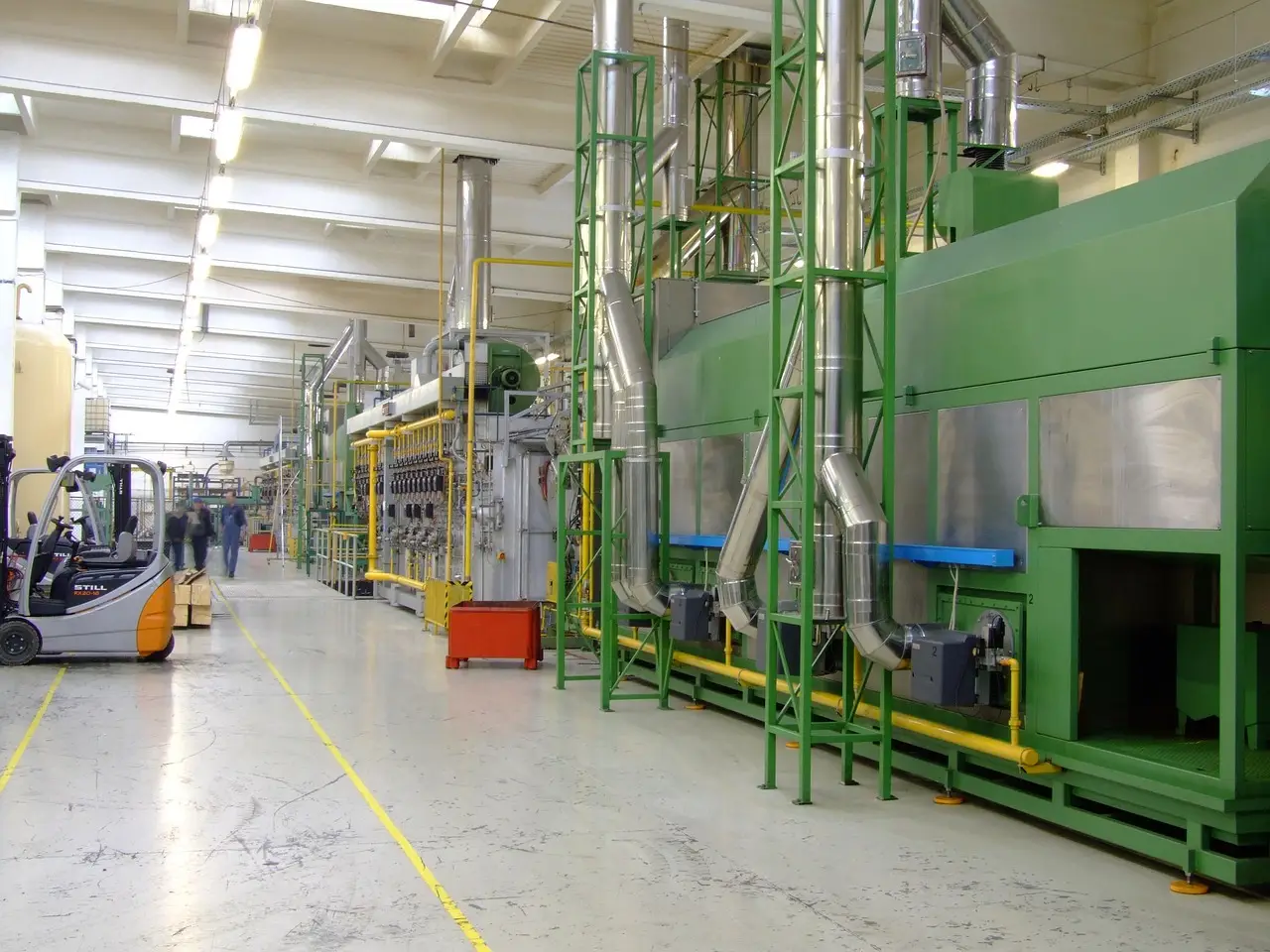
Tesla will spend €3 billion ($3.3 billion) to expand its Berlin Gigafactory as it prepares to manufacture Cybercabs at industrial scale. Tesla announced the outlay Monday, two months after putting its first Cybercabs on the road.
The expansion adds a new building in Grünheide, just east of Berlin, where Tesla plans Cybercab manufacturing in 2029. André Thierig, Tesla’s senior director of manufacturing for the site, wrote on LinkedIn that it “will be capable of producing up to 1 million vehicles per year.”
Tesla expects construction to begin in the first half of 2027, two years before Cybercab output starts. Thierig also called the expanded site “the most technologically advanced of all Tesla factories.” Capacity, in other words, follows a long build-out.
Tesla is redirecting resources toward Cybercab as part of its stated mission to become an AI and robotics company rather than just an automaker. The shift also displaces another product: Tesla plans to cease Cybertruck production next year, partly freeing the Austin, Texas, factory for Cybercab manufacturing.
Elon Musk sees little future for drive-it-yourself EVs, even as demand for the Model 3 and Model Y remains strong despite Tesla flagging U.S. sales. Tesla delivered more than 486,000 vehicles in the third quarter, about 6,000 more than in the second, while European sales rose as EV adoption continued apace.
What does this change for robotaxi deployment?
It converts a Texas robotaxi rollout into a European production plan. Tesla’s golden-hued, two-seat Cybercab would gain a production base in a building rated for up to 1 million vehicles annually. The announcement sets no European service-launch date.
Texas has about 1,307 registered robotaxis, mostly modified Model Y vehicles serving several cities. About 573 Cybercabs operate on Austin roads, and Dallas comes next. Berlin therefore adds industrial scale, not immediate European availability.
The practical change is capacity, not certification or operating hours. Construction is scheduled to start in the first half of 2027, production follows in 2029, and committed spending reaches €3 billion, or $3.3 billion. The announcement provides no delivery timetable for Europe.
Tesla has taken a slow approach to the Cybercab rollout. In more than two months, Cybercabs have recorded no major incidents, although the vehicles remain barred from late-night driving and Tesla continues working to extend their operating hours.
That record appears to have persuaded Tesla to commit significant resources to production and availability. Europe now sits firmly on the roadmap, after Austin and Dallas. The next test is whether the camera-led system can expand without incident while regulators examine the vehicle.
Cybercab has no steering wheel, pedals or other traditional motor-vehicle equipment, some of which federal safety standards require. Tesla first revealed the vehicle in 2024 and launched it publicly in September. Federal regulators are now investigating Tesla’s self-certification of the vehicle.
The distinction from Tesla’s current Full Self-Driving (Supervised) system matters. That advanced driver-assistance product still requires human attention, while Musk’s fully automated proposition does not. Cybercab is the current centerpiece of that plan.
Tesla’s autonomy stack differs from Waymo’s because it relies solely on cameras, without lidar or other supplemental sensors. Camera data mimics human vision, but without sufficient training, Tesla’s AI models can struggle to interpret situations that additional sensor data might clarify.
That design choice carries more than an engineering preference. The operating record covers two-plus months without a major incident, but late-night restrictions remain and federal regulators are examining the vehicle. Europe is on the roadmap; permission at scale is not.
The wager is large. The timetable is longer.
via techcrunch.com (Source)
More from Tom Whitfield
Show full bio
Market editor covering people, launches and day-to-day practice in enterprise information technology and the leaders who run at CIO Monitor.
185 articles
The newsroom digest
One email a day with the stories that matter. No noise.
Cross-references
- Tesla Registers 200 Cybercabs in One Day, Fleet Reaches 773
- Humyn Labs Raises $47M to Supply Training Data for U.S. Robotics
- Dell Expands AI Factory Stack With NVIDIA for Enterprise AI
- DARPA's Quantum Test: $2 Billion, Six Vendors, 2033 Deadline
- Platform Teams Become the Control Point for Enterprise AI by 2027