Incident sheet · SIG-9863 · /security
- Signal
- SIG-9863
- System
- SEC · Security & Risk
- Filed
- Read
- 3 min · 654 words
- Severity
- Routine
Trezor confirms three Safe 5 implants, cuts resellers by 80%
Trezor confirmed three tampered Safe 5 devices, released firmware 2.13.1 and cut resellers by 80%; 48 customers contacted the company, but exposed recovery phrases remain at risk.
By Daniel Okafor
Trezor confirmed that three Safe 5 hardware wallets contained malicious circuit boards designed to capture recovery phrases and passphrases, while 48 CryptoBilis customers contacted the company after an October warning.
How did the three compromised devices emerge?
An October customer discovered an unauthorized circuit board inside a Safe 5 bought from Indonesian reseller CryptoBilis. Trezor did not have the device then and could not confirm the suspected implant. It later examined the original unit in its laboratory and identified two more compromised wallets from photographs submitted by their owners.
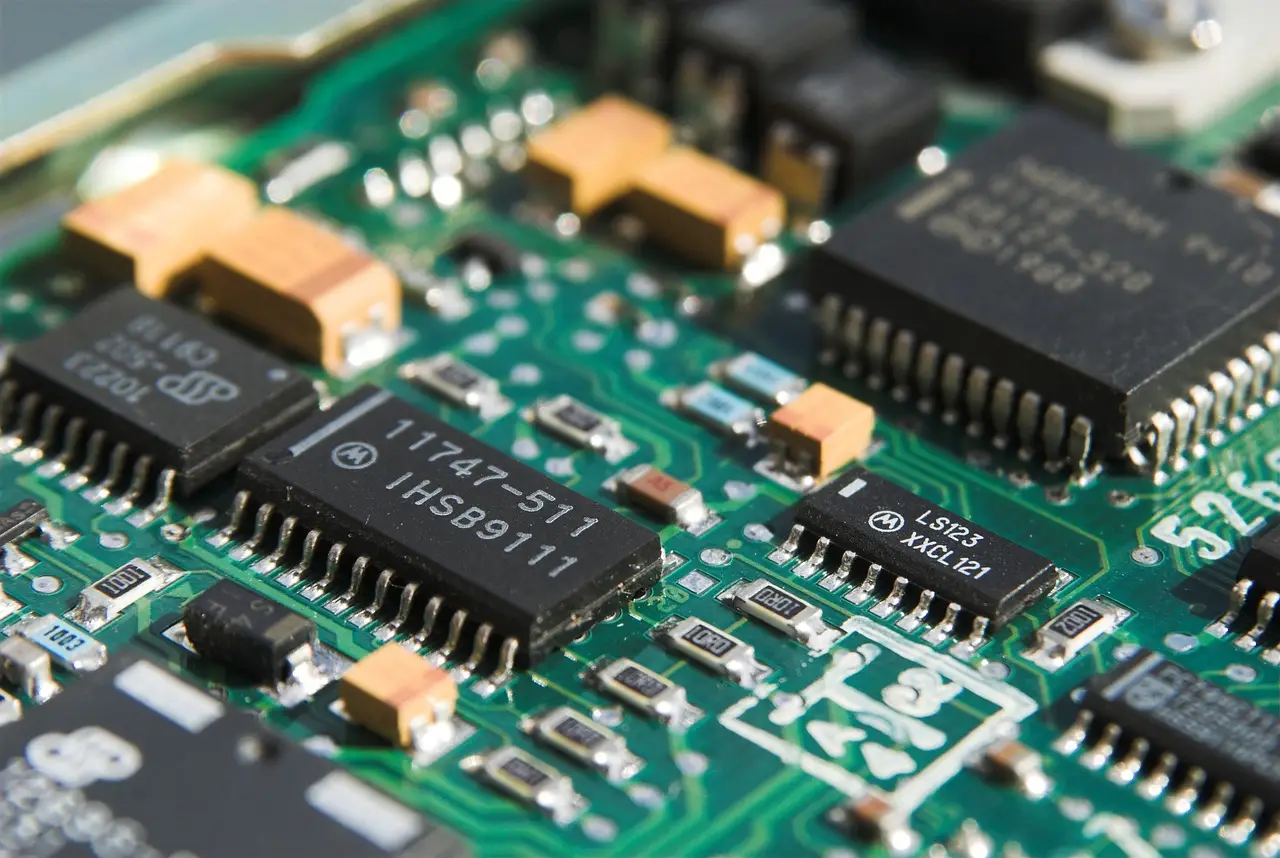
All three devices were purchased from CryptoBilis between August 20 and September 23, 2026. Engineers found an extra board between the Safe 5 main board and display, where it could monitor screen activity without altering legitimate firmware or the Secure Element.
Trezor said the implant could capture information displayed or entered on the wallet’s screen. It collected recovery words during new-wallet backup creation or restoration, and could capture displayed passphrases. The design affected both initial setup and wallet recovery workflows.
How did the implant transmit stolen data?
After capture, the implant encrypted the information and transmitted it over a cellular network to an attacker-controlled server. If no connection existed, it held the captured data and repeatedly attempted transmission until successful, meaning a temporary outage delayed disclosure rather than destroying the data.
On November 11, Trezor released firmware version 2.13.1 with protections that prevent these implants from capturing screen data. Trezor said: “Our latest firmware update 2.13.1, released on November 11th, includes a protection that stops the implants we’ve found from capturing anything on devices that run it, making the current batch of implants useless.”
The fix applies only to devices running version 2.13.1. It cannot protect recovery phrases captured before installation. Trezor therefore advises CryptoBilis customers to move cryptocurrency into a newly created wallet using a new recovery phrase.
What do the customer and theft figures show?
Trezor says 48 CryptoBilis customers contacted it following the October warning. Their devices are being examined in the laboratory or through photographs of internal components. The company has received no theft reports tied to the compromised Safe 5 wallets.
Inspected devices from other resellers in the region showed no tampering. That assurance has limits: Trezor provided neither the total number of CryptoBilis units sold nor a published independent audit of its laboratory and photographic evidence.
No affected customers have reported losing funds. The statement covers losses reported to Trezor so far, not proof that every compromised device was discovered or every captured phrase reached an attacker.
Why did Trezor cut its reseller network?
Trezor reduced its global reseller network by approximately 80%, removing roughly four in five partners. The company had announced the reduction in October after reports of compromised Ledger wallets sold through CryptoBilis, before it knew its own devices were affected.
Those confirmed Ledger implants had been linked to cryptocurrency thefts. Trezor says the removed resellers were trustworthy and posed no threat, but did not meet stricter supply-chain security requirements. Remaining partners must follow tighter controls over sourcing, storage and device access.
Trezor is offering replacement devices to anyone who bought a Trezor wallet from CryptoBilis since March 2026, including customers whose devices remain unconfirmed. The offer broadens remediation beyond the three known implants, although Trezor stated no replacement cap, delivery schedule or cost.
What remains unproven?
The available evidence supports a real firmware-independent hardware attack affecting three confirmed Safe 5 devices, but it does not establish the full scale of CryptoBilis exposure. Trezor disclosed 48 contacts without supplying a reseller sales denominator.
All confirmed implants remain limited to Safe 5 devices sold through CryptoBilis. Version 2.13.1 stops known implants from capturing data on updated units; it does not revoke phrases already exposed. No customer has reported stolen funds, but that remains a provisional finding rather than a closure.
via bleepingcomputer.com (Source)
More from Daniel Okafor
Show full bio
Staff writer covering technology and product news in enterprise information technology and the leaders who run at CIO Monitor.
134 articles
The newsroom digest
One email a day with the stories that matter. No noise.
Cross-references
- Tata Electronics Hit by Cyber Breach; Attacker Claims Access to Apple, Tesla Secrets
- Analog Devices Discloses Data Breach at Semiconductor Firm
- BYOD ransomware gang claims full takeover of Vanderbilt University network
- FBI Agent Admits Stealing $2.5M in Crypto From Suspects' Wallets
- Cartier Confirms Customer Data Stolen in Cyberattack