Incident sheet · /infrastructure
- System
- Infrastructure & Cloud
- Filed
- Read
- 3 min · 618 words
- Severity
- Routine
Uber-Zipline drone delivery targets 1 million daily deliveries
Uber and Zipline begin commercial drone food delivery in Spring, Texas, before Dallas, targeting 1 million daily deliveries across dozens of U.S. cities by the end of 2029.
Event log
- Commercial drone delivery starts Tuesday in Spring, Texas, before expanding to Dallas.
- Uber and Zipline target 1 million deliveries daily across dozens of U.S. cities by end-2029.
- Zipline drones carry up to 8-pound orders at 70 mph, about 300 feet above ground.
- The FAA granted Zipline Part 135 air carrier certification in 2022.
- Zipline announced a $1.5 billion round led by Paradigm, WCM Investment Management, and Layer Global, with Uber backing.
Daniel Okafor
Uber and Zipline target 1 million drone deliveries per day by the end of 2029. Their commercial partnership begins Tuesday in Spring, Texas, a Houston suburb. The service will expand to Dallas next. The companies plan dozens of additional U.S. cities. Tuesday’s Spring rollout becomes the first commercial launch under a partnership announced earlier this year.
What will customers receive?
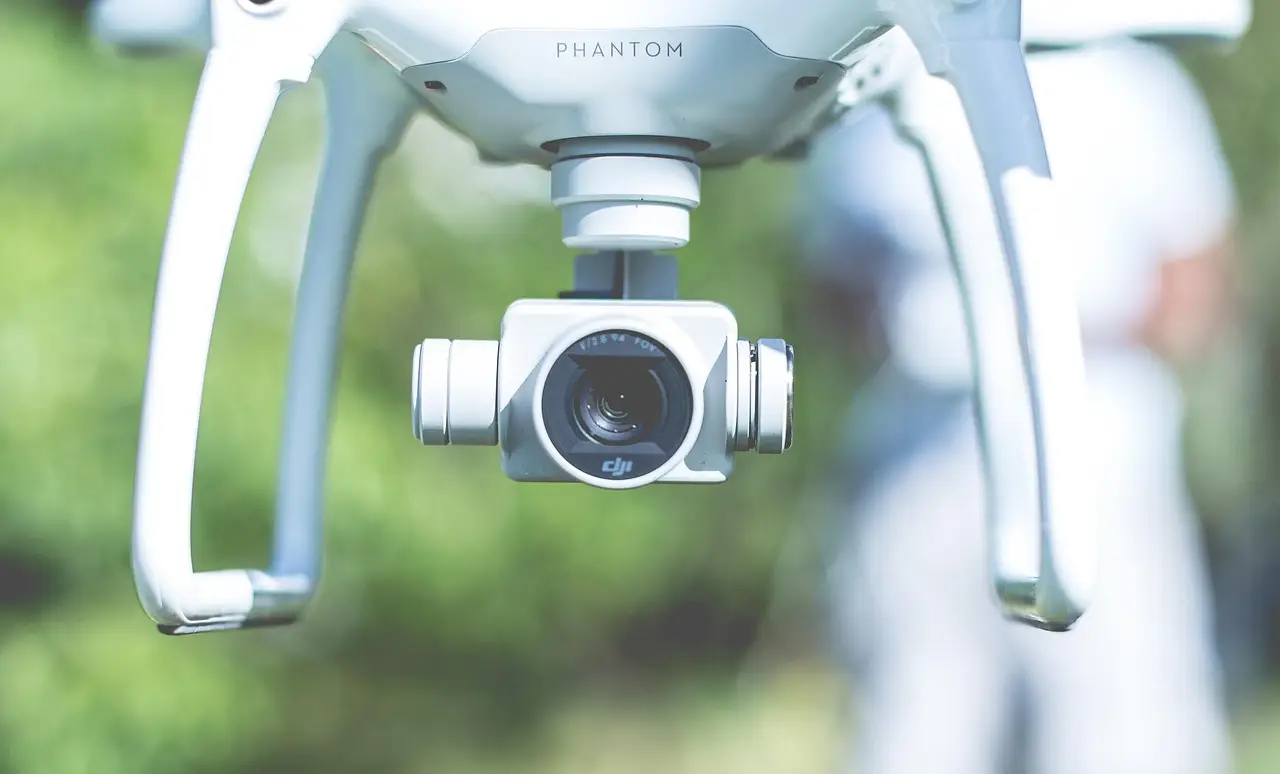
Zipline’s long-range autonomous delivery drones will carry food orders weighing no more than eight pounds through suburban operating areas during the initial commercial food-delivery program. They fly about 300 feet above ground at speeds up to 70 mph. They do not land.
Instead, they lower each order to the customer’s location using a tether. A small protective pod encloses the order.
Customers in service areas will tap a new “drone” icon on the Uber Eats home page. The screen lists all participating restaurants. The Houston-area launch includes several nationwide chains, among them Jersey Mike’s and Zaxby’s. It also includes dozens of local restaurants, including Urban Bird and Abu Omar Halal.
No launch price, delivery radius, daily order limit, or fleet size appears in the announcement. Those omissions leave the economics of a Dallas and multi-city rollout unproven. The promised scale rests on expansions that the companies have not scheduled in detail.
What supports the national target?
Zipline CEO and co-founder Keller Cliffton said: “In partnership with Uber Eats we’re going to create a new expectation for delivery in America.” The statement frames a suburban launch as a national delivery model, yet offers no delivery data, staged timetable, city-by-city forecast, or measure of execution readiness.
The ambition matches other operators, including Alphabet-owned Wing and Amazon’s Prime Air service. Resident objections have surfaced in some locations. Complaints include noise, wildlife disruption, safety risks, and privacy concerns.
Industry proponents counter that drones offer a net social benefit. They cite reduced traffic as their main advantage. Customers can avoid driving to a store for a forgotten item or takeout order.
The announcement does not quantify the claimed traffic reduction. It also does not address objections raised in other drone-delivery locations. Operators have developed aircraft for years, yet the industry remains early. Community adoption also remains early in places where services are available.
What regulatory and funding base sits behind the rollout?
Zipline, founded in 2014, built an ecosystem rather than a single aircraft, combining delivery aircraft with launch and landing systems and logistics software for operations. The California-based company first focused on delivering blood in Rwanda. It later expanded into the United States.
Zipline’s U.S. business scaled quickly after the Federal Aviation Administration granted Part 135 air carrier certification in 2022. That milestone cleared a critical regulatory hurdle for the company. The approval authorized long-range commercial drone deliveries.
Uber’s role extends beyond the commercial partnership. The ride-hailing company also invested in Zipline, although neither company disclosed the investment amount. Last week, Zipline announced a $1.5 billion funding round led by Paradigm, WCM Investment Management, and Layer Global. Uber backed the round alongside other investors.
The announcement does not earmark any of the $1.5 billion for the Uber Eats service. The $1.5 billion round gives Zipline substantial financial backing, but capital is not a delivery record.
The present commercial launch centers on Spring, with Dallas next and dozens of cities promised without a detailed sequence. The 1 million daily-delivery goal remains a 2029 target, not reported operating capacity. Uber and Zipline have disclosed the hardware, app integration, and regulatory foundation. They have not disclosed the rollout economics that would establish whether the promise scales.
via techcrunch.com (Source)
More from Daniel Okafor
Show full bio
Staff writer covering technology and product news in enterprise information technology and the leaders who run at CIO Monitor.
203 articles
The newsroom digest
One email a day with the stories that matter. No noise.
Cross-references
- Uber and Zipline Launch Commercial Drone Delivery, Target One Million Flights a Day
- Zoox robotaxis join Uber app as Las Vegas service expands
- Tesla Registers 200 Cybercabs in One Day, Fleet Reaches 773
- Uber Freight Probes Hacking Group's Data Breach Claim
- EPAM Joins OpenAI Partner Network to Scale Enterprise AI Delivery