Incident sheet · SIG-6762 · /infrastructure
- Signal
- SIG-6762
- Filed
- Read
- 3 min · 696 words
- Severity
- Routine
Mississippi Board Upholds Air Permit for SpaceX's 1.2 GW Power Plant
Mississippi upheld SpaceXSI's air permit for a 1.2 GW, 41-turbine gas plant feeding Colossus II, as property buys hint at a sixth AI data center.
Event log
- Mississippi's Environmental Quality Permit Board upheld the air permit on November 10 after two days of testimony.
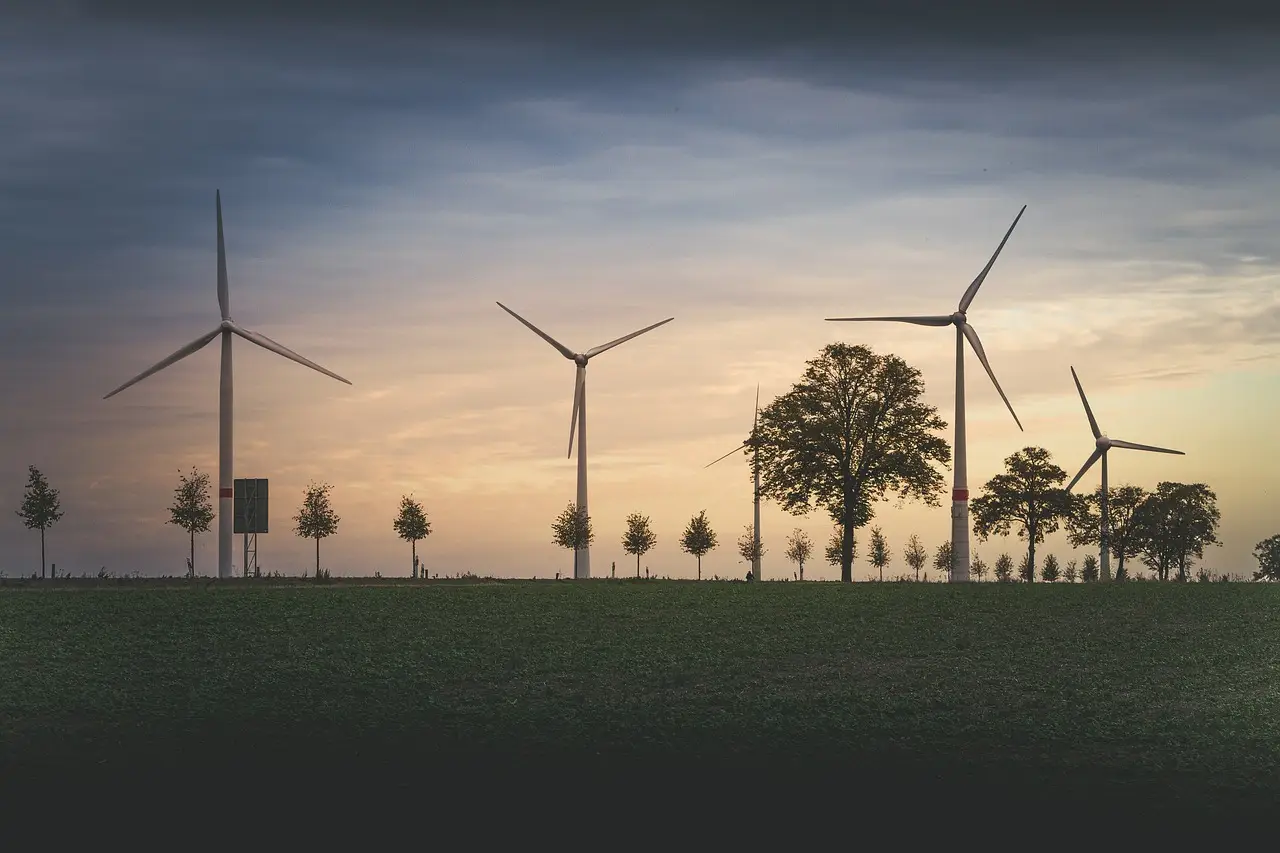
- The Southaven plant comprises 41 permanent natural gas turbines with roughly 1.2 GW of capacity.
- The plant will power SpaceXSI's SI compute infrastructure, including the Colossus II AI data center campus.
- Five data centers are being built or near completion; Project Mitchell property purchases suggest a sixth.
- SpaceX is buying residential properties near the power plant, likely to pre-empt noise complaints.
Mississippi's Environmental Quality Permit Board voted on November 10 to uphold the air permit for SpaceXSI's 1.2-gigawatt power plant in Southaven. The decision followed two days of testimony. For scale: 1.2 GW is roughly the output of a large commercial nuclear reactor unit, enough to power well over a million homes if it fed the grid instead of AI compute.
The board's ruling removes the last major regulatory obstacle for the permanent Southaven facility. What it does not remove is the project's dependence on natural gas at a scale few enterprise buyers will ever confront — 41 permanent turbines on one site.
What does the plant actually include?
The approved project carries specific hardware and capacity numbers:
- 41 permanent natural gas turbines
- Approximately 1.2 GW of total generation capacity
- Electricity dedicated to SpaceXSI's expanding SI compute infrastructure, including the Colossus II AI data center campus
This is not grid power purchased through a utility contract. This is owned generation, sized for a single compute estate. Enterprise CIOs watching AI power costs should note the implication: at this scale, hyperscale-adjacent players are internalizing electricity production rather than negotiating tariffs.
Is a sixth data center already in motion?
SpaceX has bought new property in the southwest under the name Project Mitchell, according to reports on the Colossus 2 campus expansion. The purchase likely signals a new AI data center beyond the five facilities already being built or near completion. That would bring the campus to six sites.
The word "likely" is doing heavy lifting here. No filings or company statements confirmed the sixth facility's purpose at the time of reporting. Property acquisition is a signal, not a commitment; companies routinely buy land they never build on. Treat the count of five confirmed sites as the reliable number, and Project Mitchell as a probability, not a fact.
Why is SpaceX buying residential property?
Separately, SpaceX has started purchasing residential properties in the southeast, near its power plant. The reported rationale is noise mitigation — acquiring homes before the plant's operation creates noise complaints.
Buying out neighbors is a cheaper legal strategy than fighting them. It is also an admission that the plant's acoustic footprint is expected to reach surrounding homes. Companies do not spend capital on residential parcels for facilities they expect to run quietly. What the reports do not say: how many homes, at what cost, or whether sales were voluntary or pressured.
What did the permit fight actually decide?
The November 10 vote upheld an air permit, not a construction approval. The plant was already permitted; challengers sought to revoke that permit after two days of testimony before the board. The board sided with SpaceXSI.
The win matters because air permits for gas-fired generation at the gigawatt scale draw sustained opposition. A revoked permit would have stalled the entire compute buildout behind it, including Colossus II. Upholding it keeps the 41-turbine timeline intact. However, an air permit covers emissions. It does not insulate the project from water-use disputes, noise ordinances, or future federal rules on turbine emissions — none of which the board's vote addressed.
What should CIOs take from this?
The Southaven model — owned gas generation wired directly into AI data centers — is becoming a template for compute-first companies that cannot wait on grid interconnection queues, which in some US regions now stretch for years. SpaceXSI chose to generate its own 1.2 GW rather than wait.
Every element of that choice carries risk the permit does not resolve: fuel price exposure across 41 turbines, emissions liability as regulations tighten, and community friction already serious enough to require buying out residents. The company betting its AI compute roadmap on gas has accepted those risks. Buyers evaluating colocated AI capacity should price the same risks into any long-term contract tied to such a site.
The confirmed facts are these: a 1.2 GW air permit upheld on November 10 after two days of testimony, 41 permanent turbines approved, five data centers in progress, and property purchases pointing toward a sixth. Everything beyond that — including Project Mitchell's exact purpose — remains unverified.
via www.nextbigfuture.com (Source)
More from Daniel Okafor
Show full bio
Staff writer covering technology and product news in enterprise information technology and the leaders who run at CIO Monitor.
144 articles
The newsroom digest
One email a day with the stories that matter. No noise.
Cross-references
- SpaceX’s $74 Billion AI Bet Faces Texas and Arizona Permits
- GreenAIOps: Can AI Fix the Data Center Problem It Created?
- OpenAI renames data centers 'compute campuses' and pledges grid relief
- Google Buys 1 GW of Demand Response So Its Data Centers Can Drink More
- Startup Drogue Raises $20M to Power Floating Data Centers With Ocean Heat